Research

01

Independent Research · Environmental Sensing · Machine Learning

HABiSense

A UAV-enabled, multimodal system for earlier harmful-algal-bloom detection.

HABiSense pairs aerial imaging, in-situ water sampling, and a custom deep-learning pipeline to improve early detection of harmful algal blooms. Developed independently, the project encompassed research-question formulation, system architecture, data workflow, model development, evaluation, and technical communication.

Download Paper
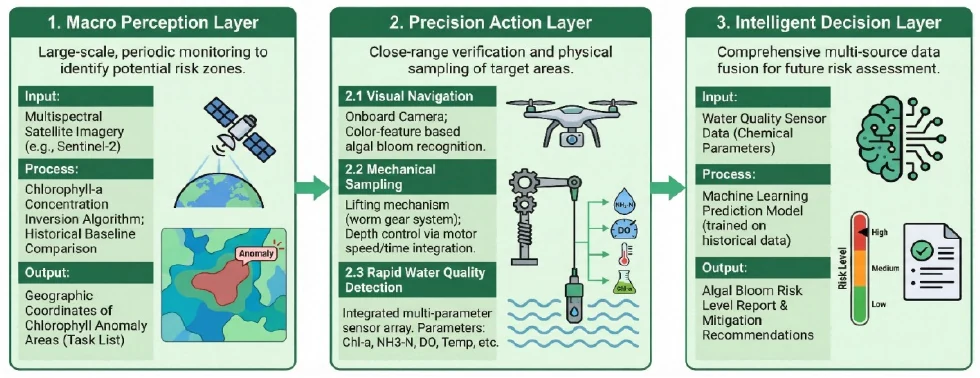
HABiSense system framework integrating remote sensing, water sampling, data processing, and bloom prediction
97.85%F1 Score
0.996AUC
32%Fewer False Negatives
5Awards

System & Significance

Traditional bloom monitoring can separate remote sensing from water-quality measurement, limiting how quickly surface signals are connected to biological risk. HABiSense integrates UAV observation, targeted sampling, multimodal feature processing, and bloom-risk classification in a four-layer workflow.

Core Innovation: The LGFN Prediction Model

LGFN is a parallel dual-branch, multi-task architecture for water-quality time-series data. The local branch applies Conv1D, batch normalization, and ReLU activation to extract short-range anomalies—such as abrupt chlorophyll-a spikes or dissolved-oxygen drops—into a 128-dimensional feature vector. In parallel, a Transformer encoder uses positional encoding and multi-head self-attention to model longer-range dependencies, including nutrient accumulation, seasonal temperature cycles, and delayed phosphorus effects, producing a second 128-dimensional representation.

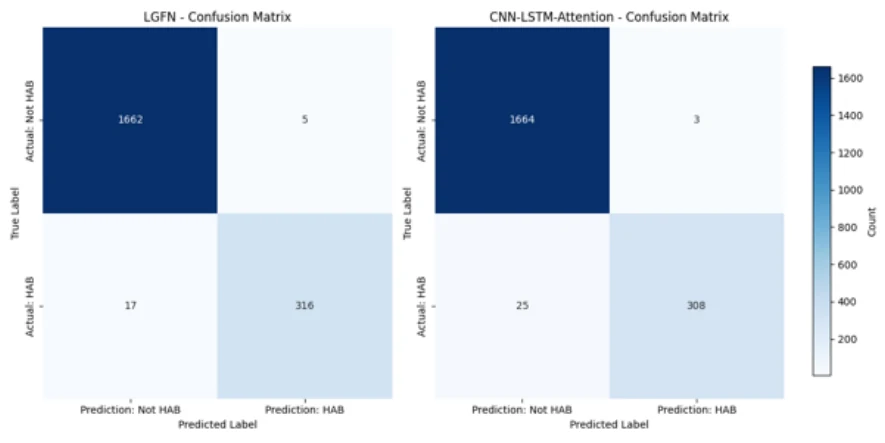
The two vectors are concatenated into a 256-dimensional representation and compressed through a fully connected fusion layer to 128 dimensions. From this shared feature space, a linear regression head predicts the continuous bloom index, while a linear-sigmoid classification head estimates the probability of bloom presence. The model is trained jointly with mean squared error for regression and binary cross-entropy for classification, allowing both tasks to regularize the shared representation and improve generalization. This local-global fusion helped LGFN achieve an RMSE of 0.0395, an F1 score of 97.85%, an AUC of 0.996, and 32% fewer false negatives than the CNN-LSTM-Attention benchmark.
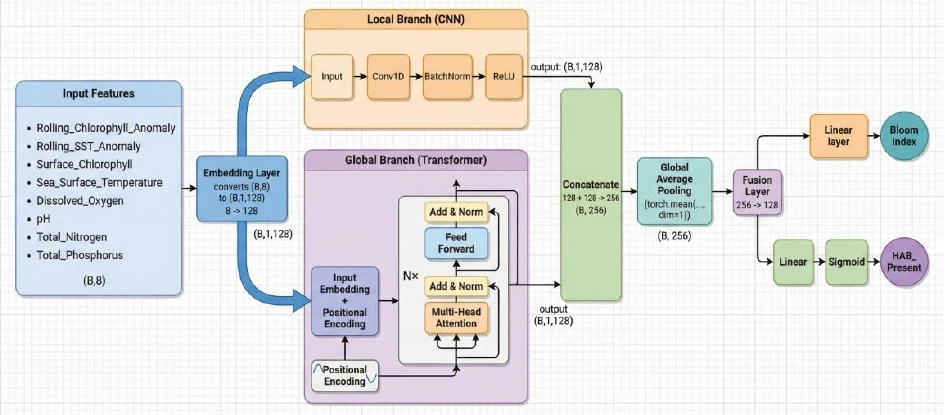
LGFN dual-branch architecture combining CNN and Transformer features
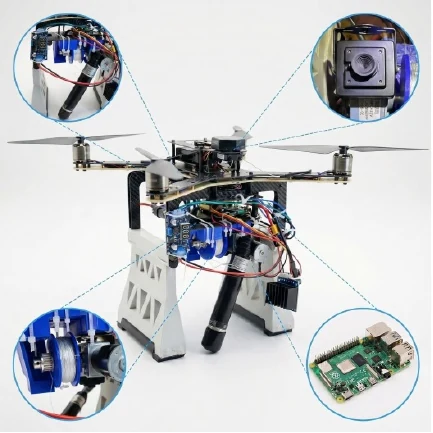
HABiSense UAV and water-sampling prototype
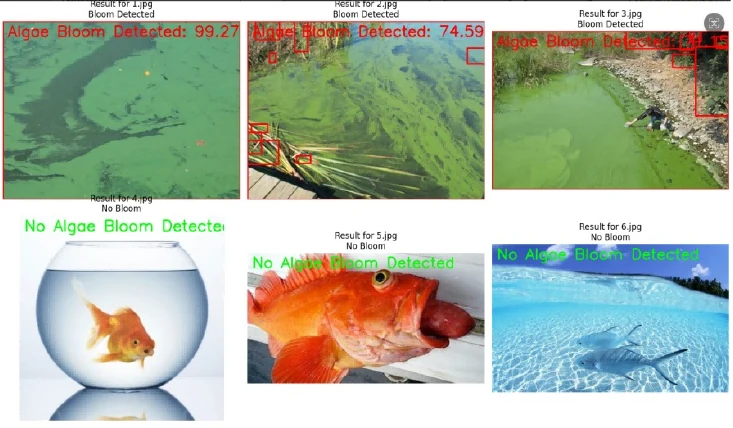
HABiSense sample detection results across water conditions
Confusion matrices comparing HABiSense bloom-detection models

Five Project Awards

Regional Science & Engineering Fair Category Second Place · Stockholm Junior Water Prize Regional Award · NASA Earth and Space Science Award · United States Air Force Certificate of Achievement · National Ground Intelligence Center Award
Interactive Model

Explore the UAV in 3D

Open Full Screen

02

Published Cross-Sectional Study · Dermatology & Mental Health

Mental Distress & Eczema Severity

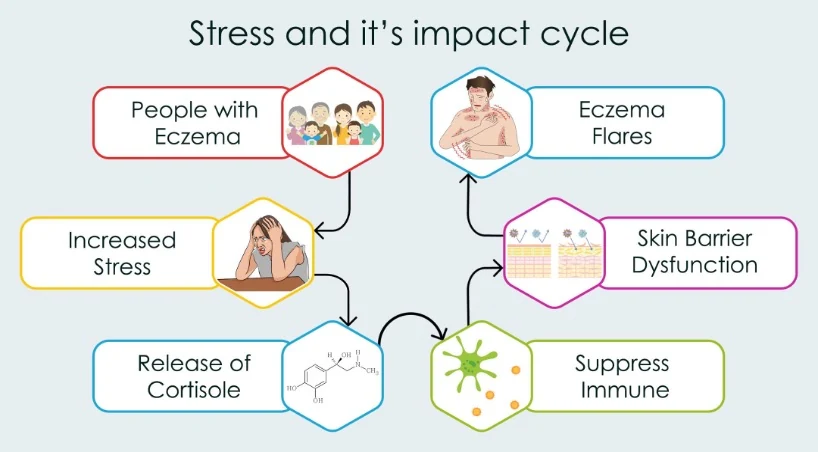
This cross-sectional study examined the correlation between mental distress and eczema severity among adults in China, treating skin disease as both a biological condition and a lived social experience. Statistical analysis investigated how emotional distress changes alongside disease severity, with implications for more integrated care.

A structured survey covered demographics, work and sleep patterns, diet, lifestyle, eczema history, symptom frequency and affected body areas, and twelve indicators used to construct a composite mental-stress score. The study initially recruited 204 adults in China through an online platform and local outreach at Shanghai Sixth People's Hospital. Forty-two incomplete responses were excluded listwise, leaving 162 completed surveys—107 respondents with current or prior eczema and 55 without—for analysis. Methods included descriptive statistics, chi-square and Fisher exact tests, Pearson correlations, and staged hierarchical regression models in SAS 9.4, with sequential adjustment for baseline factors and behavioral covariates. Participants with eczema reported significantly higher mean stress scores than those without eczema (1.81 versus 0.95, p = 0.0008), and mental stress remained associated with eczema in the fully adjusted model (OR = 1.85, 95% CI: 1.22–2.98).

Variables and analytical structure of the eczema and mental-distress study

03

Brigham and Women’s Hospital · Harvard Medical School

Neuroscience Research

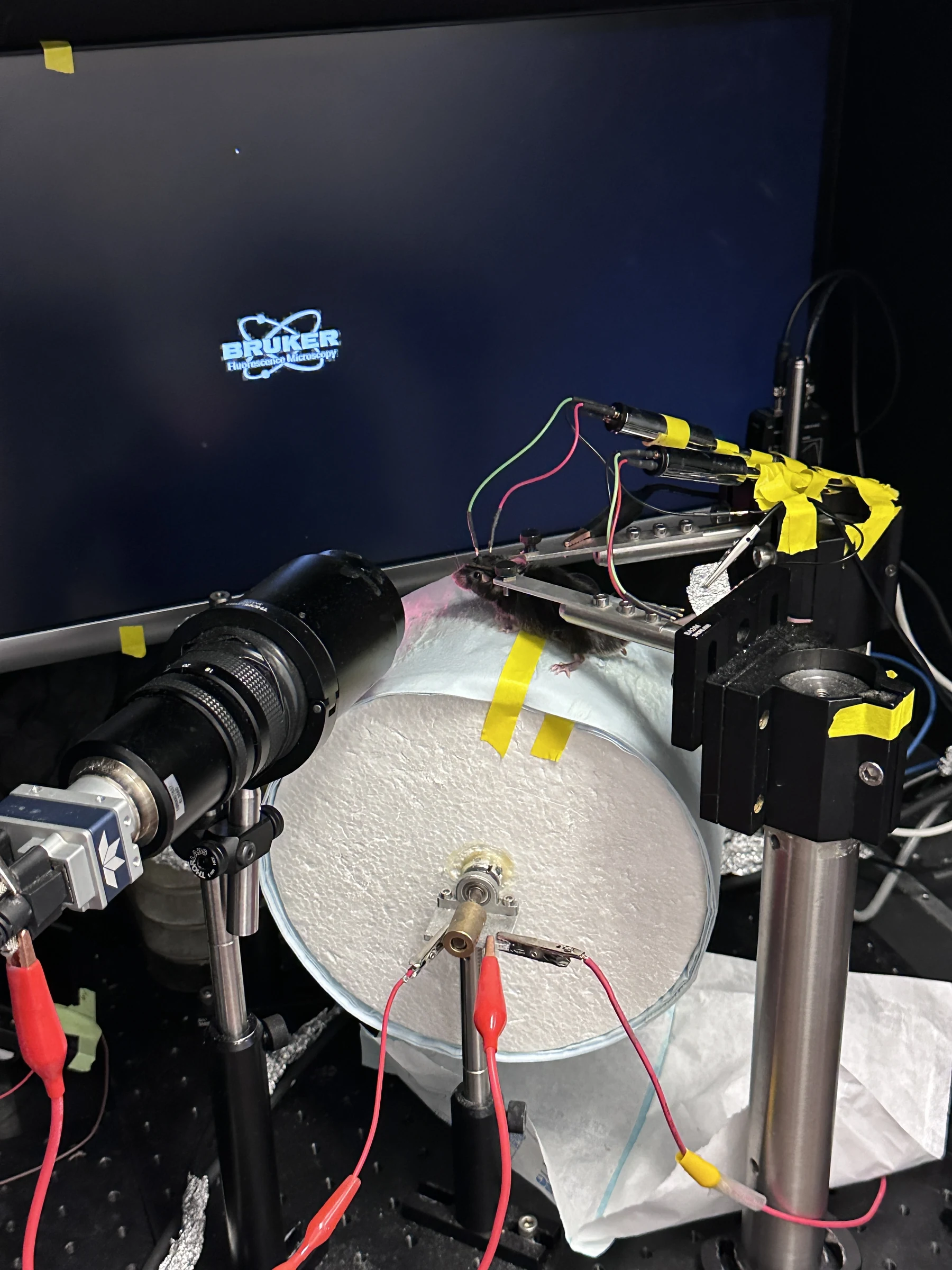
In a laboratory investigating brain-circuit function in healthy and disease mouse models, including the MECP2-duplication model of autism spectrum disorder, the work involved in vivo two-photon imaging and local-field-potential recordings from awake mice using tungsten electrodes. Experimental data were analyzed in MATLAB and discussed through weekly reviews of study design, scientific literature, and data interpretation.

Under laboratory supervision, additional responsibilities included extracting DNA from neonatal mice for genotyping and supporting craniotomy procedures through equipment preparation, anesthesia assistance, and postoperative monitoring. The work connected molecular preparation and animal care with systems-level measurements of neural activity.

Mentor: Mingyu Ye

Ann working with research equipment in the neuroscience laboratory

04

ASSIP · George Mason University · Sustainable Materials

Lignin-Based Materials Research

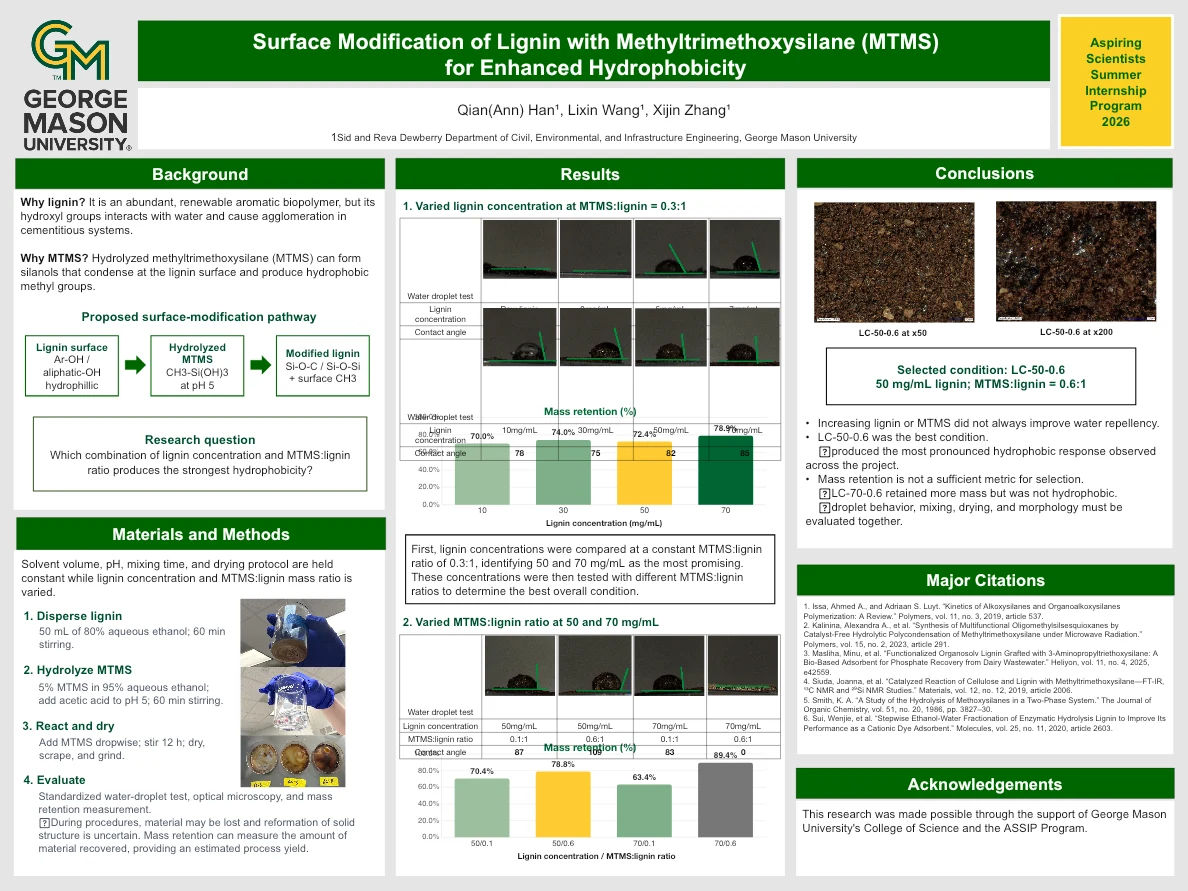
Conducted through George Mason University's Aspiring Scientists Summer Internship Program, this project investigated lignin as a renewable, water-resistant admixture for more sustainable concrete. Lignin was modified through silylation by grafting organosilane onto its structure to form Si-O-C bonds, with organosilane-to-lignin ratios ranging from 0.1 to 0.6.

Changes in surface properties and composition were evaluated using Fourier-transform infrared spectroscopy, X-ray photoelectron spectroscopy, scanning electron microscopy, and contact-angle goniometry. Experimental synthesis and comparative characterization were combined to identify the formulation that most effectively improved lignin's water resistance for concrete applications.

Mentor: Xijin Zhang

Research poster on silylated lignin as a water-resistant concrete admixture

05

Pioneer Academics · Rehabilitation Neuroscience

Mirror Therapy for Post-Stroke Upper-Limb Rehabilitation

This scoping review evaluated mirror therapy as a post-stroke rehabilitation intervention, synthesizing more than 15 randomized controlled trials and three meta-analyses. Evidence was compared across standardized upper-limb outcomes, stroke acuity, treatment dosage, home- and clinic-based delivery, patient-selection criteria, and the use of mirror therapy alone or alongside electrical and somatosensory stimulation.

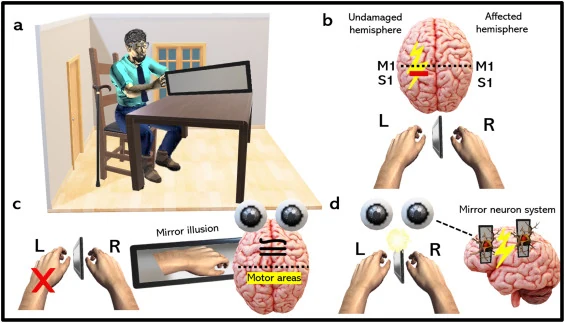
The review also compared mirror therapy with constraint-induced movement therapy and examined proposed mechanisms involving visual feedback, motor-network activation, and neuroplasticity. Identified gaps in the literature informed two original randomized-trial proposals: one testing whether earlier treatment improves recovery and another measuring how adherence relates to functional outcomes.

Mentor: Jane Sullivan

Mirror-therapy mechanism for post-stroke upper-limb rehabilitation

06

George Mason University · Environmental Biotechnology · Sustainable Materials

Microbe-Based Dissolution and Reuse of Fly Ash

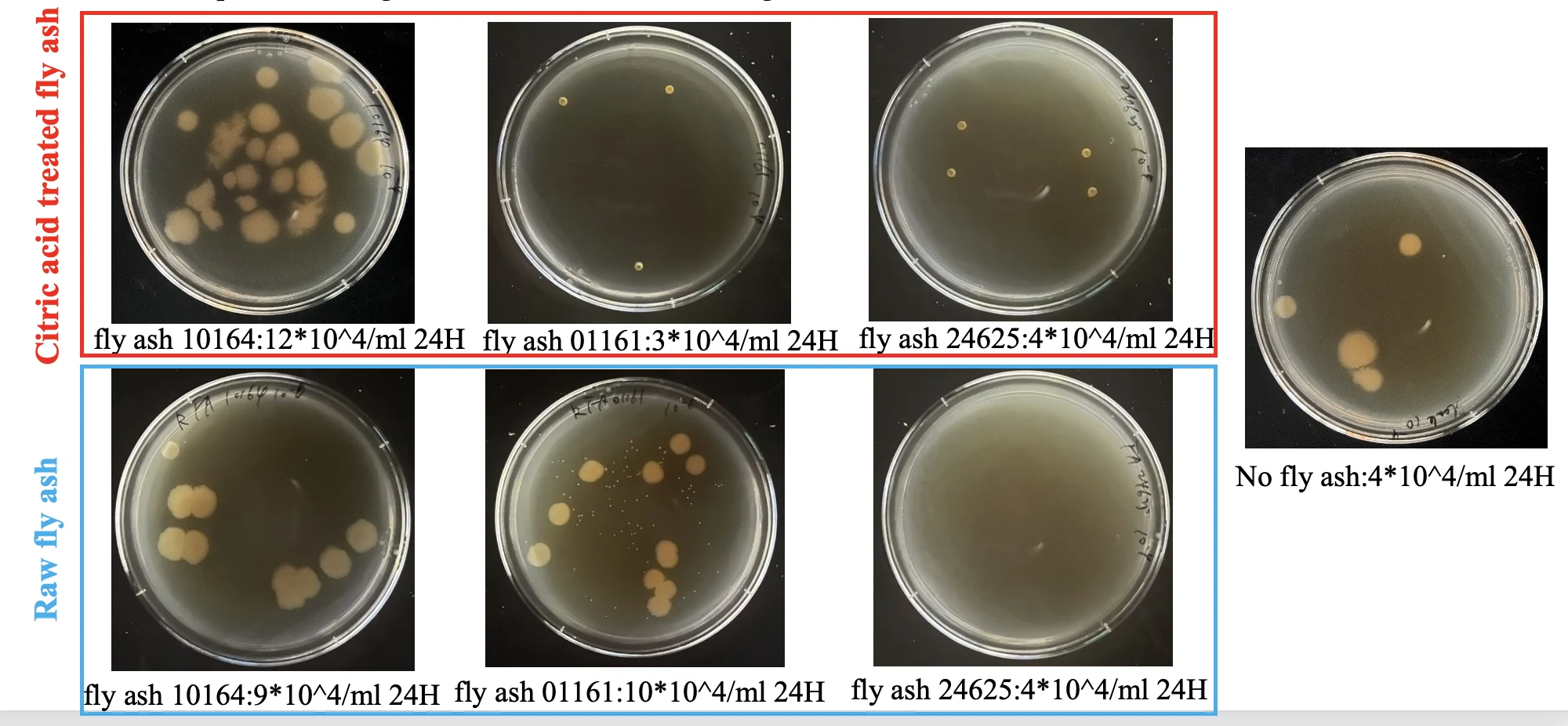
This project investigated a two-stage bioleaching strategy for recovering material from fly ash, an industrial byproduct. The workflow first used fungal organic acids to dissolve mineral components, then applied bacterial processes to further break down the remaining solid. Three fly-ash compositions were compared to determine how material chemistry affected each biological treatment stage.

Fungal acid production was optimized by varying glucose concentration, fungal culture medium was compared with a matched-pH citric-acid solution, and bacterial growth and solid-contact times were tested for their effects on dissolution. Longer treatment substantially improved performance, while the optimal culture sequence depended on fly-ash composition; the highest combined dissolution rate reached 81.01%.

Mentor: Xijin Zhang

Two-stage microbe-based fly-ash dissolution workflow and experimental results

07

Applied Machine Learning · George Mason University

Recycled Concrete Performance

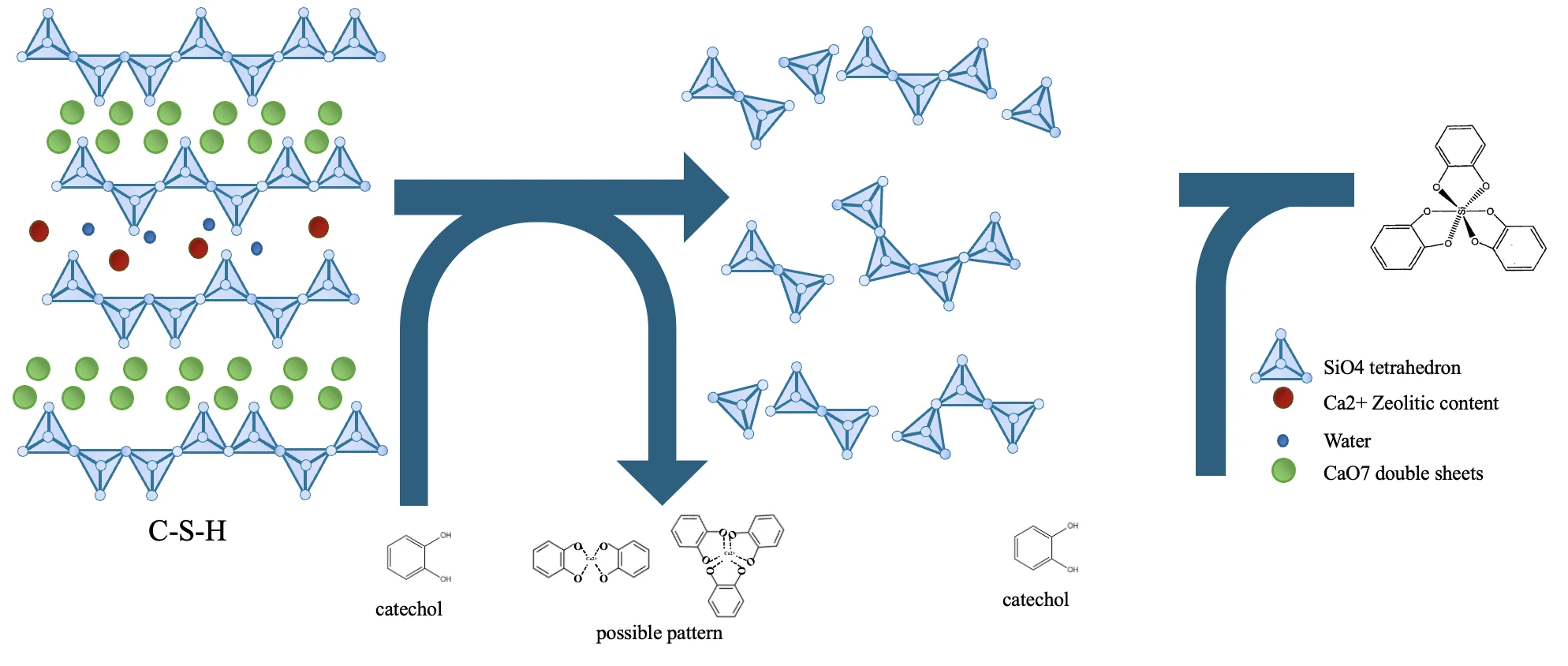
Conducted at George Mason University, this project included a review of more than 40 papers on waste-concrete composition and chemical treatments, followed by preparation of experimental data for machine-learning analysis. The objective was to predict which chemical conditions could most effectively dissolve calcium-silicate-hydrate, the principal binding phase in hardened concrete, to support material recovery and reuse.

A neural-network model with six inputs, 64-neuron dense layers, and two outputs was built and refined to classify treatment effectiveness. Model behavior was compared across iterations, and methods and findings were presented during laboratory meetings.

Mentor: Xijin Zhang

Machine-learning model and results for recycled-concrete performance

08

Catholic University of America

Microbiology & Evolutionary Genomics

This project investigated the evolutionary divergence of three closely related bacterial species: Staphylococcus aureus, S. argenteus, and S. schweitzeri. Laboratory work included bacterial culture, aseptic technique, and solution preparation for molecular microbiology workflows.

For the evolutionary-genomics analysis, genetic sequences from multiple strains were aligned using bioinformatics tools, and a phylogenetic tree was constructed to visualize relationships among the species. Comparative genomic analysis examined divergence patterns relevant to bacterial adaptation, antibiotic resistance, and public health.

Mentor: Franklin Portugal

09

Carnegie Mellon University

Building-Energy Research

This research addressed HVAC energy efficiency and predictive maintenance in large commercial buildings, using data-driven methods to model air-conditioning and fresh-air system behavior. The work included literature review, data organization, and analysis of building-automation system signals to identify operational patterns associated with unnecessary energy use and equipment wear.

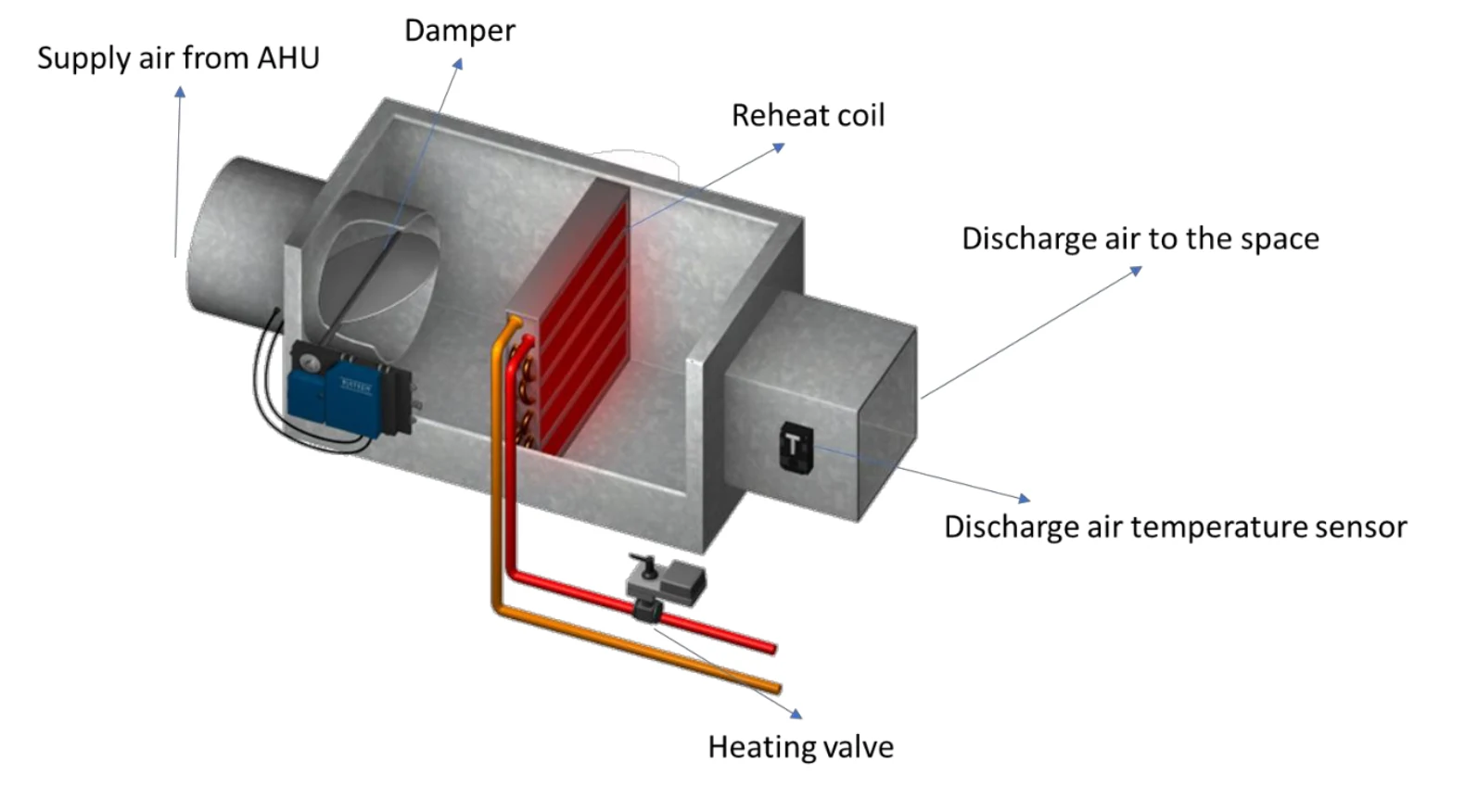
The analysis examined how variable-air-volume boxes, air-handling units, variable-frequency-drive fan speeds, dampers, heating and cooling valves, temperature setpoints, and air-quality sensors interact within automated control systems. Decision-tree and neural-network concepts supported the analysis of fault patterns such as fixed schedules, unstable heating and cooling cycles, and control signals that did not respond to changing loads. The resulting strategies indicated an estimated energy-consumption reduction of approximately 10% while also supporting more targeted maintenance.

Mentor: Xuesong Liu

Data-driven HVAC energy-analysis results for building systems